
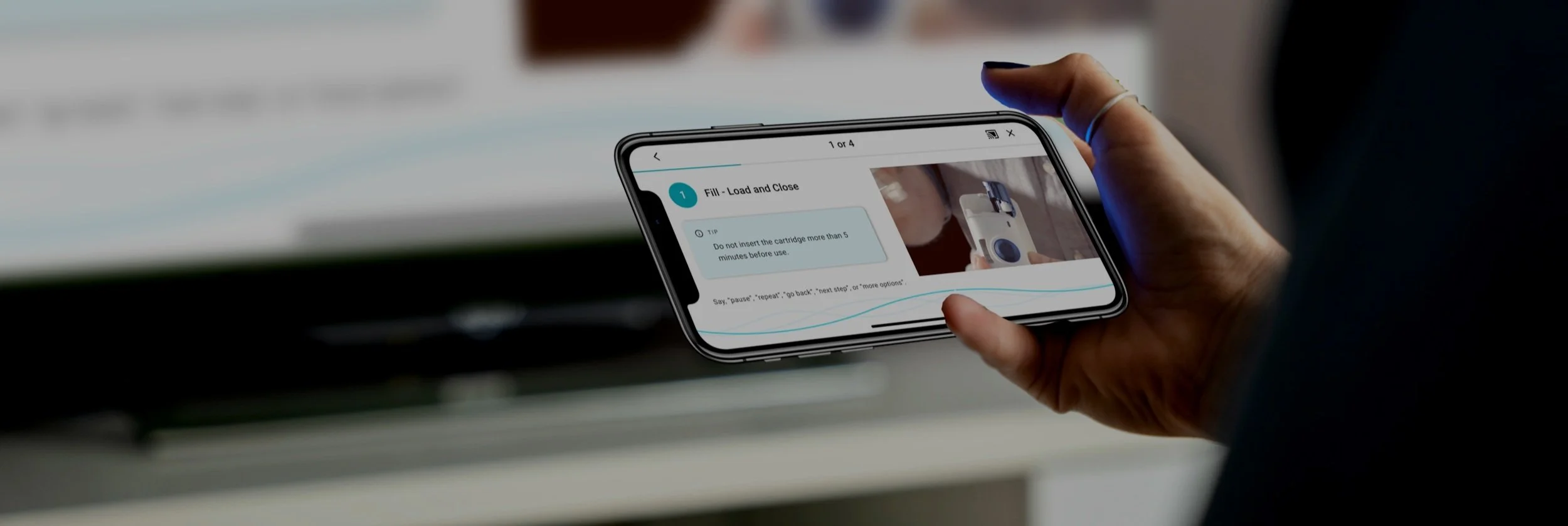
How we leveraged machine learning and artificial intelligence to support patients who have to self-inject at home.
Industry
Healthcare, Pharmaceutical
Platform
iOS App
Scope
5 months
What is it?
A Mobile App to support IBD, Crohn’s and Colitis patients who need to routinely self-inject at home, personalized to their activity schedule, food and supplement intake, and passive monitoring so that they can live freely.
How do we bring the traditional pharmaceutical industry into the digital future?
Pivoting from discovery workshops and design sprints to identify a problem, to rapid prototyping and user testing, we worked closely with our clients to co-create this solution. We launched the Beta iOS app on TestFlight.
What does self-injection look like?
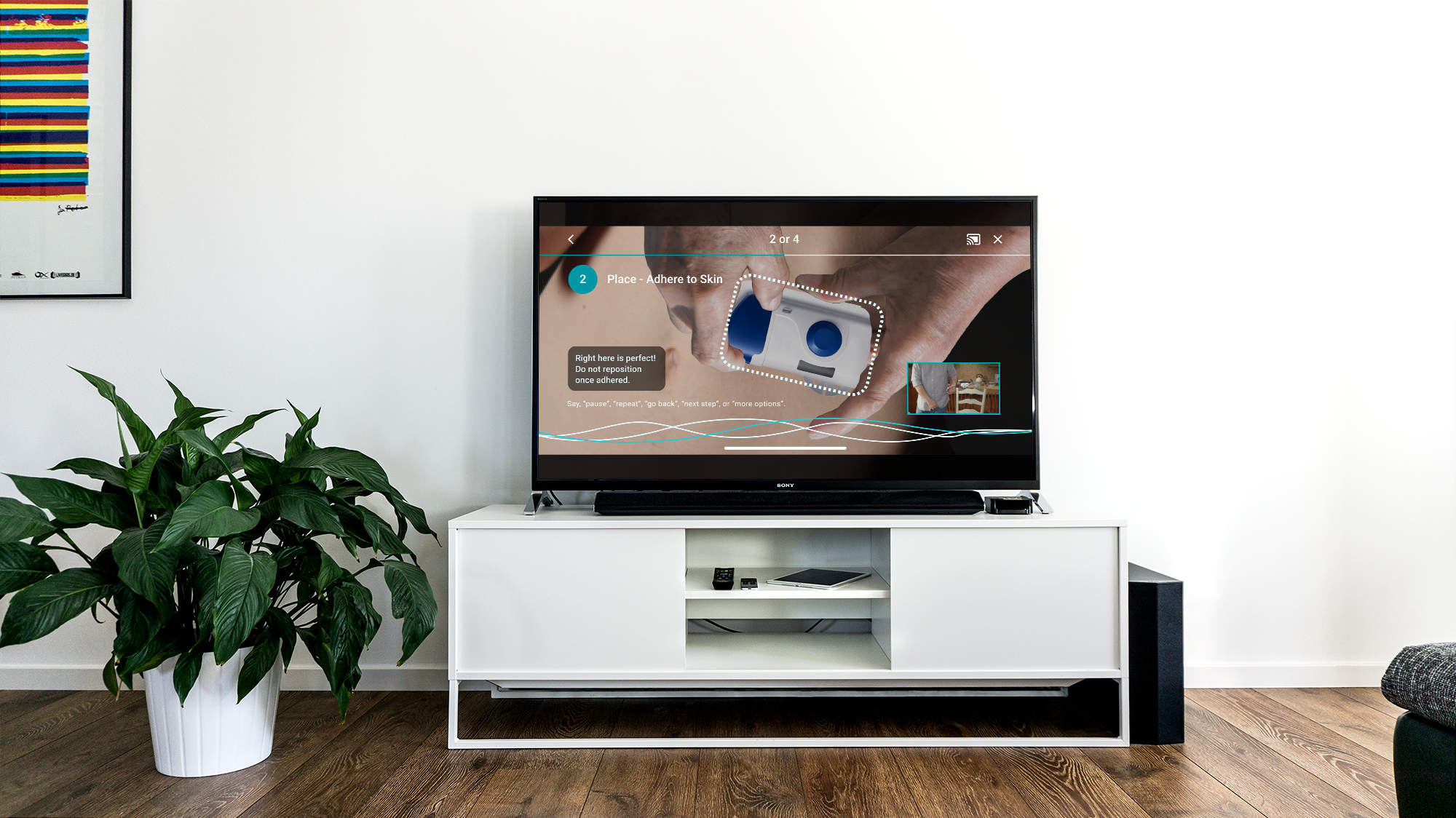
When you think of injections, many tend to think of a syringe or injection pen as the main channel. In recent years, many new devices and channels have been developed, one of those being the On Body Delivery System. This pump sticks onto the patient’s body and delivers the medication slowly through a period of time, to ensure direct absorption into the bloodstream.
This pharmaceutical/research organization offers various self-injection therapies for different therapeutic areas (ie. a self-injection pen for psoriasis). There are multiple unmet needs for patients who routinely self inject - leading to medication discontinuation and dosage errors such as lack of effective education, perceived remission, perceived lack of effectiveness, dislike of injection experience, fear of side effects, logistical reasons, patient-physician disconnect in prioritizing disease severity among others. Patients require a personalized form of engagement that addresses individual needs and supports habit formation.
Self-Injection Support
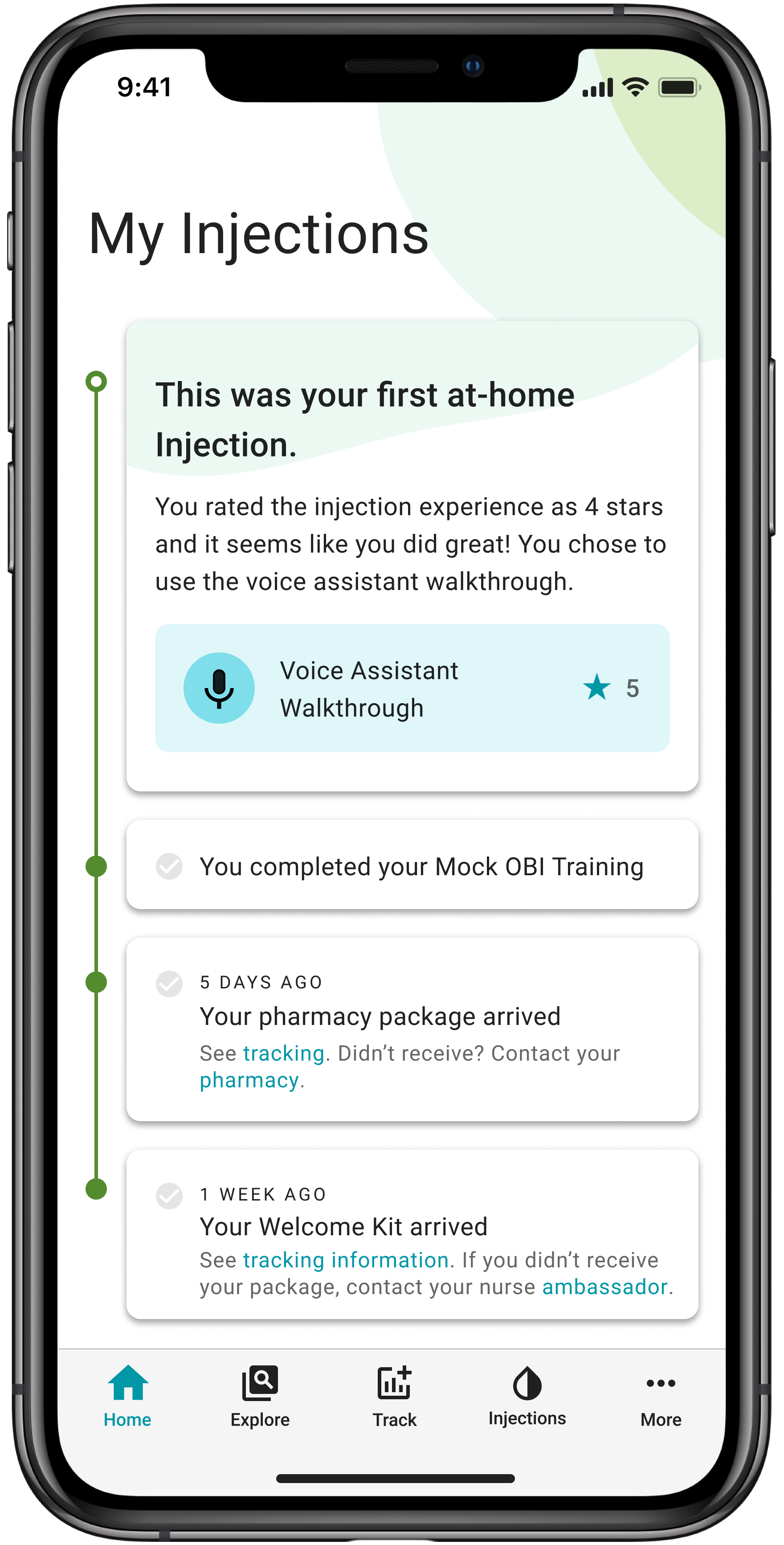
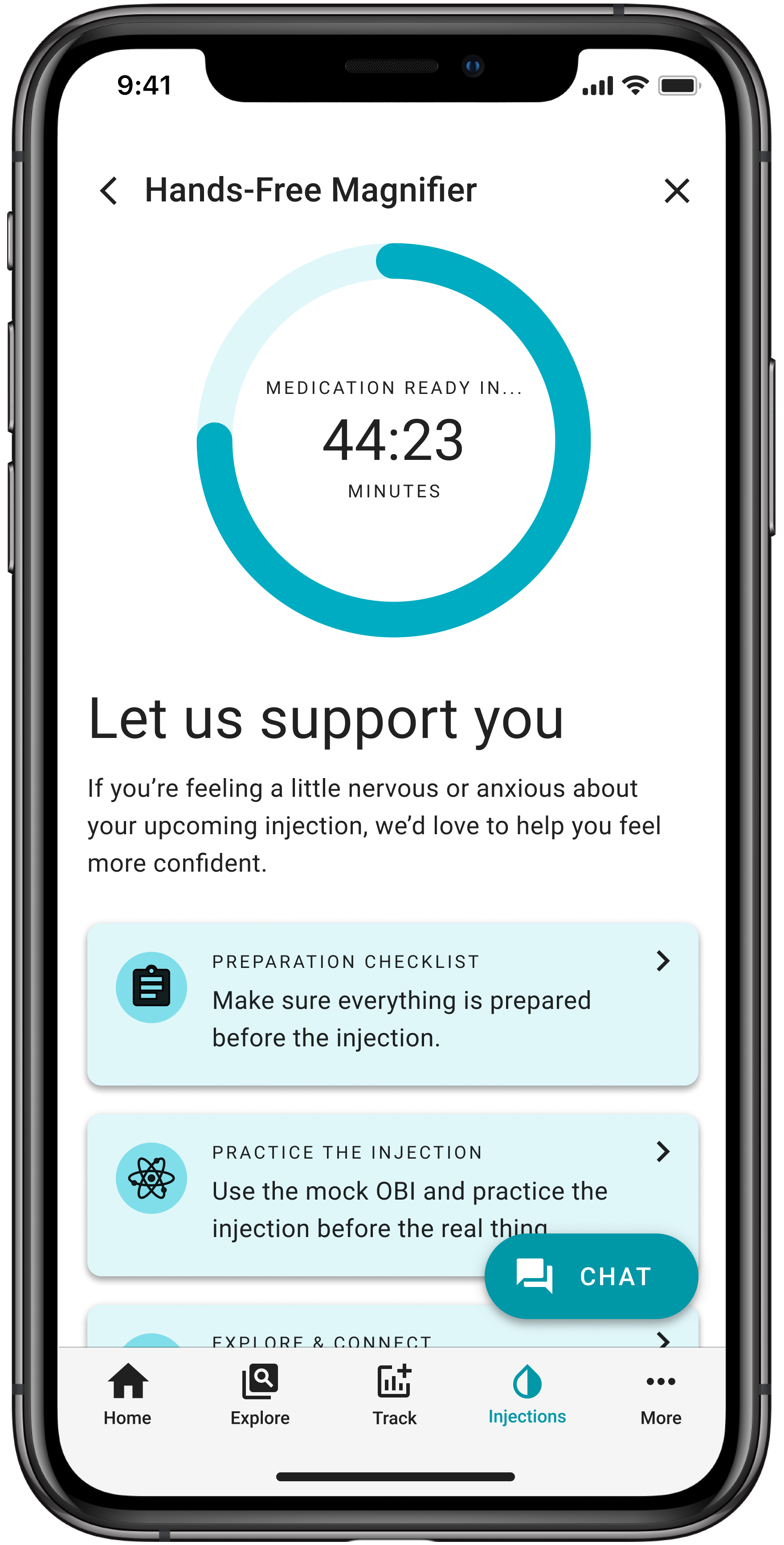
To track it all, we designed a remote patient monitoring system that will allow healthcare providers and nurses to check on the patient’s progress.
The healthcare providers are able to send notifications to the patient when they notice that their biomarker levels are out of range, and the patients are able to let the healthcare providers know how they are progressing.
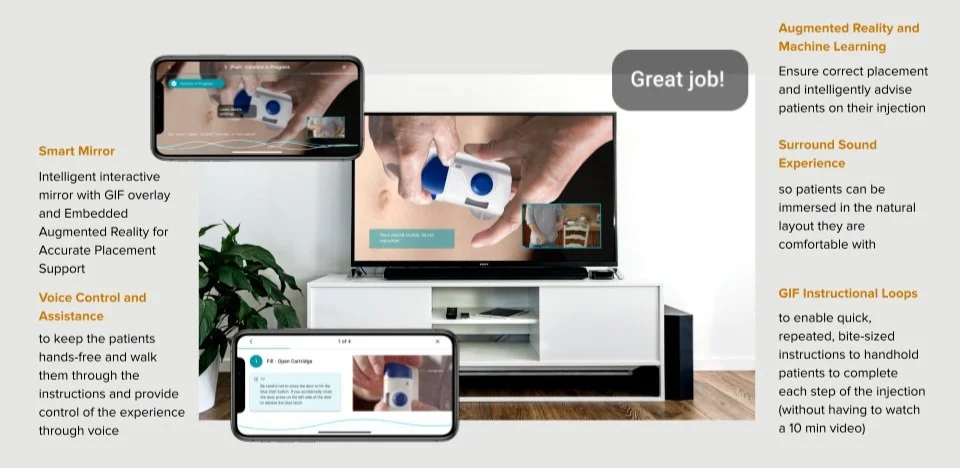
Bite Sized Information
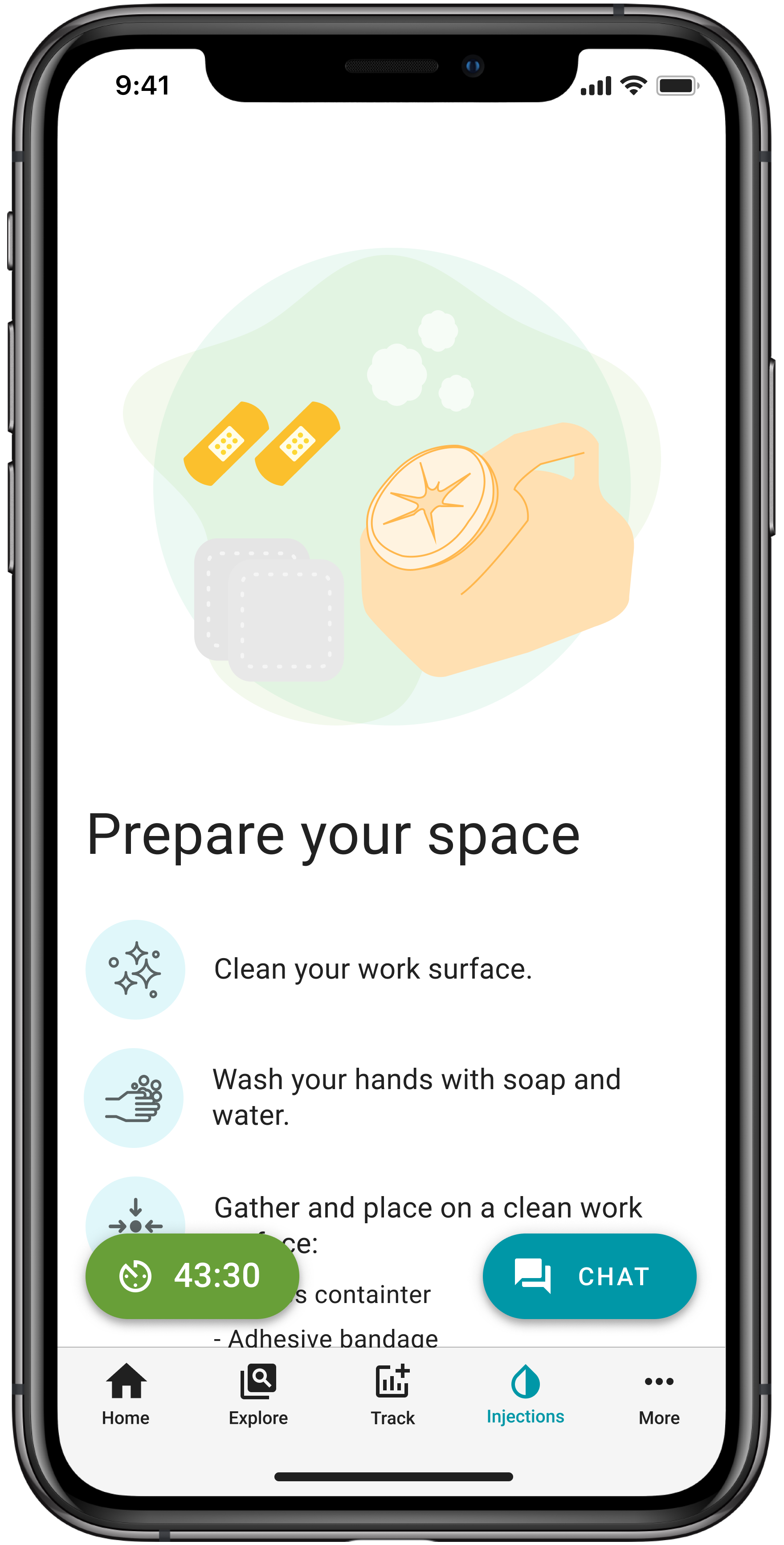
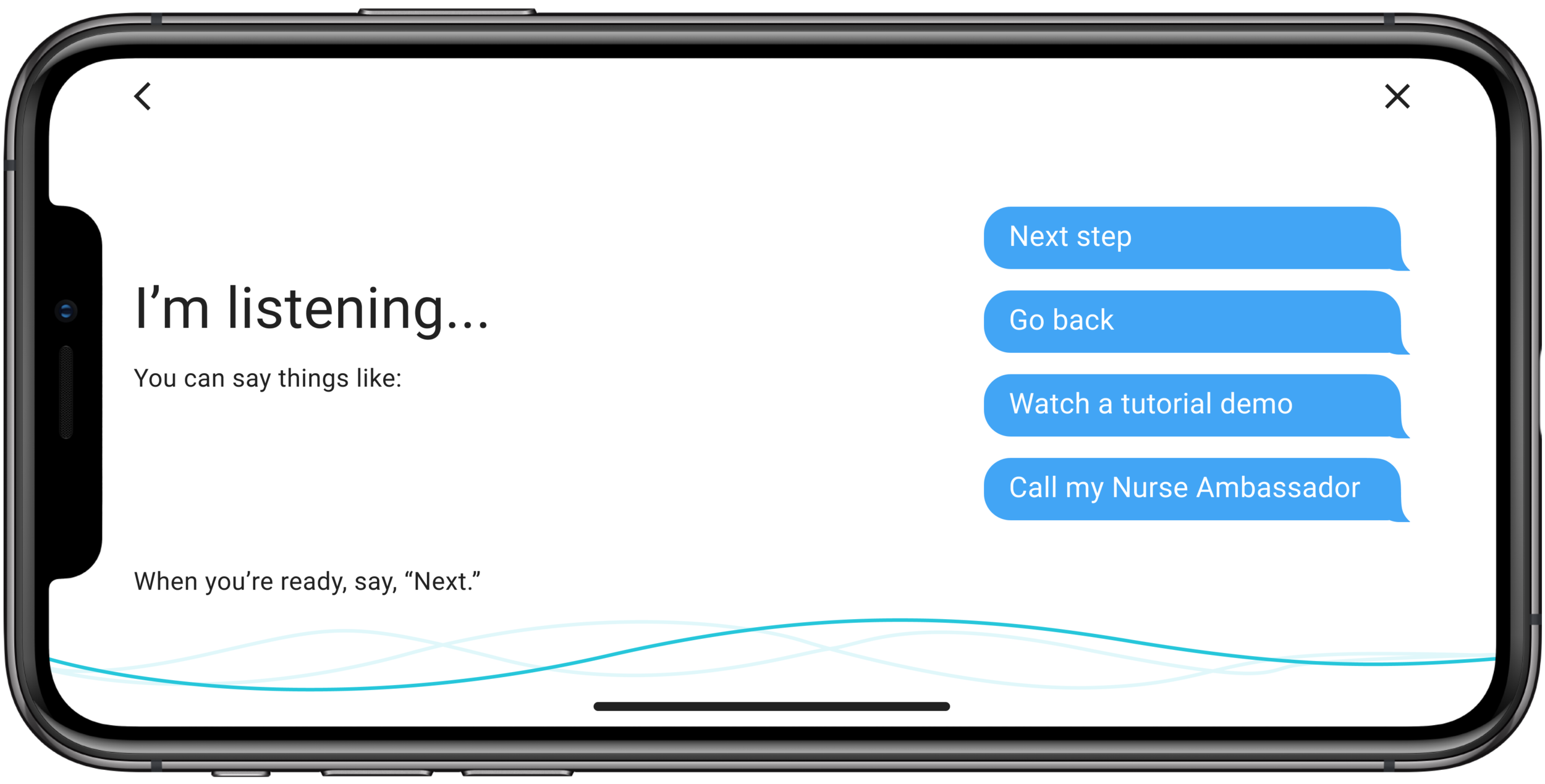
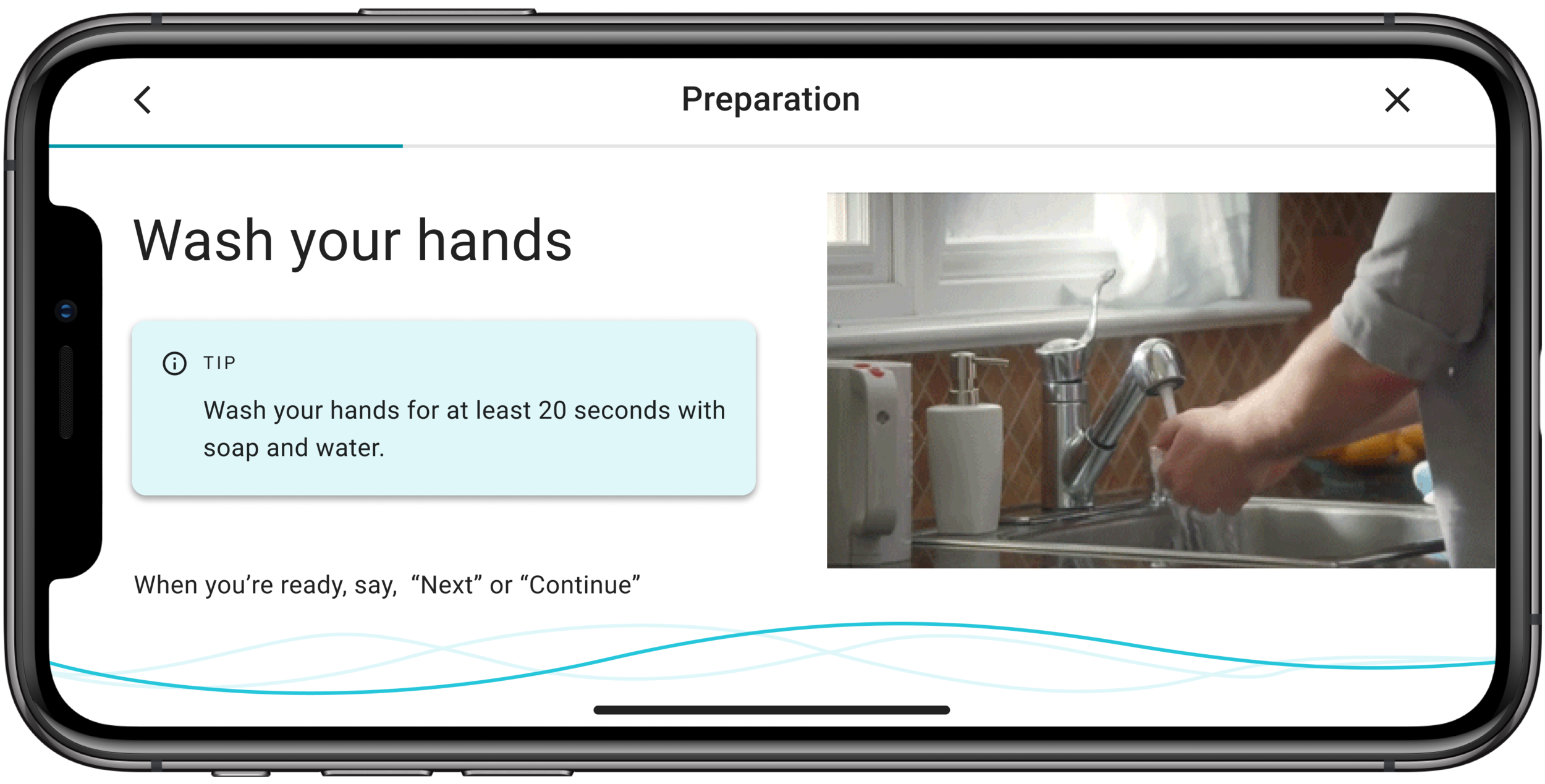
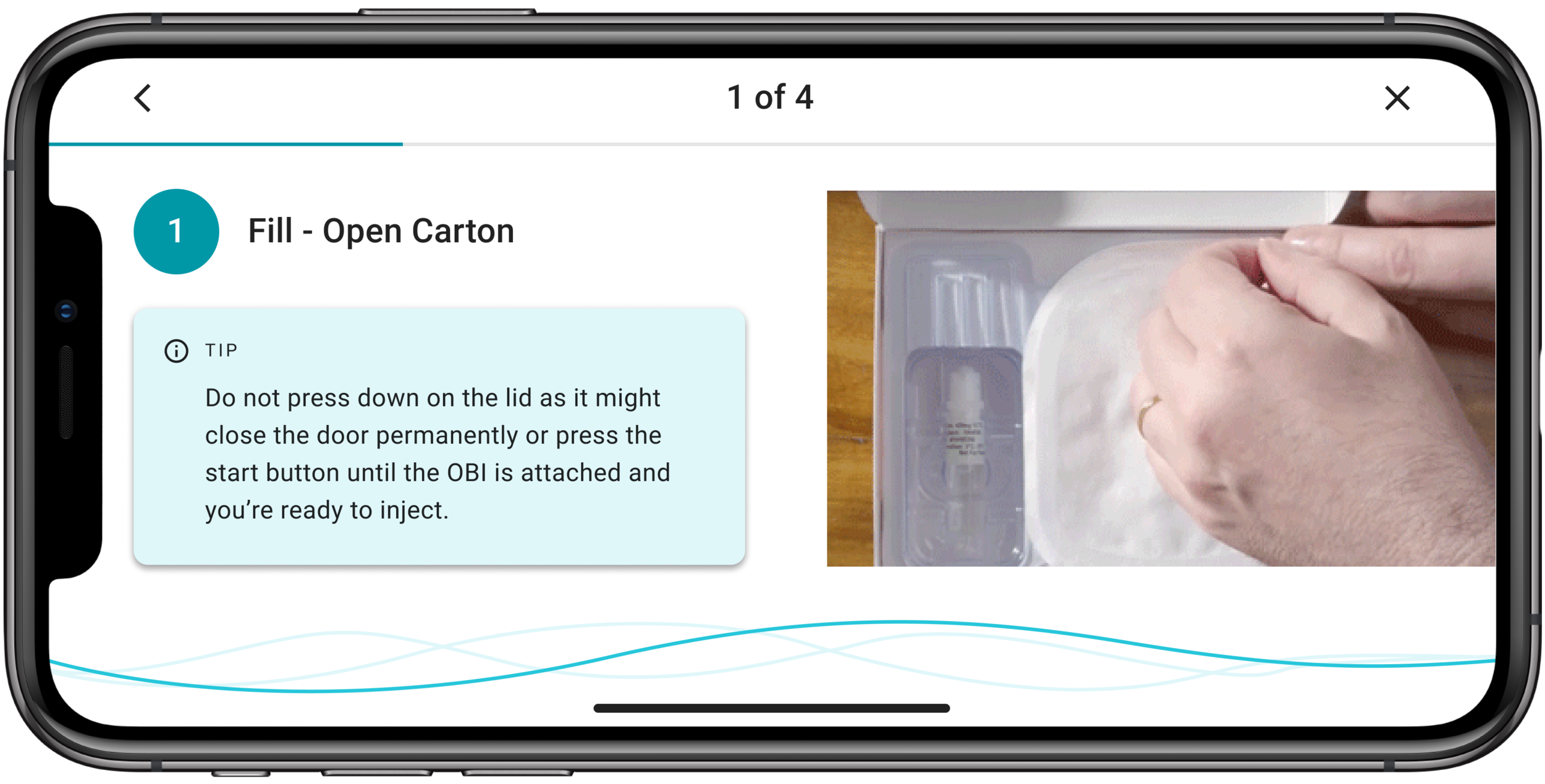
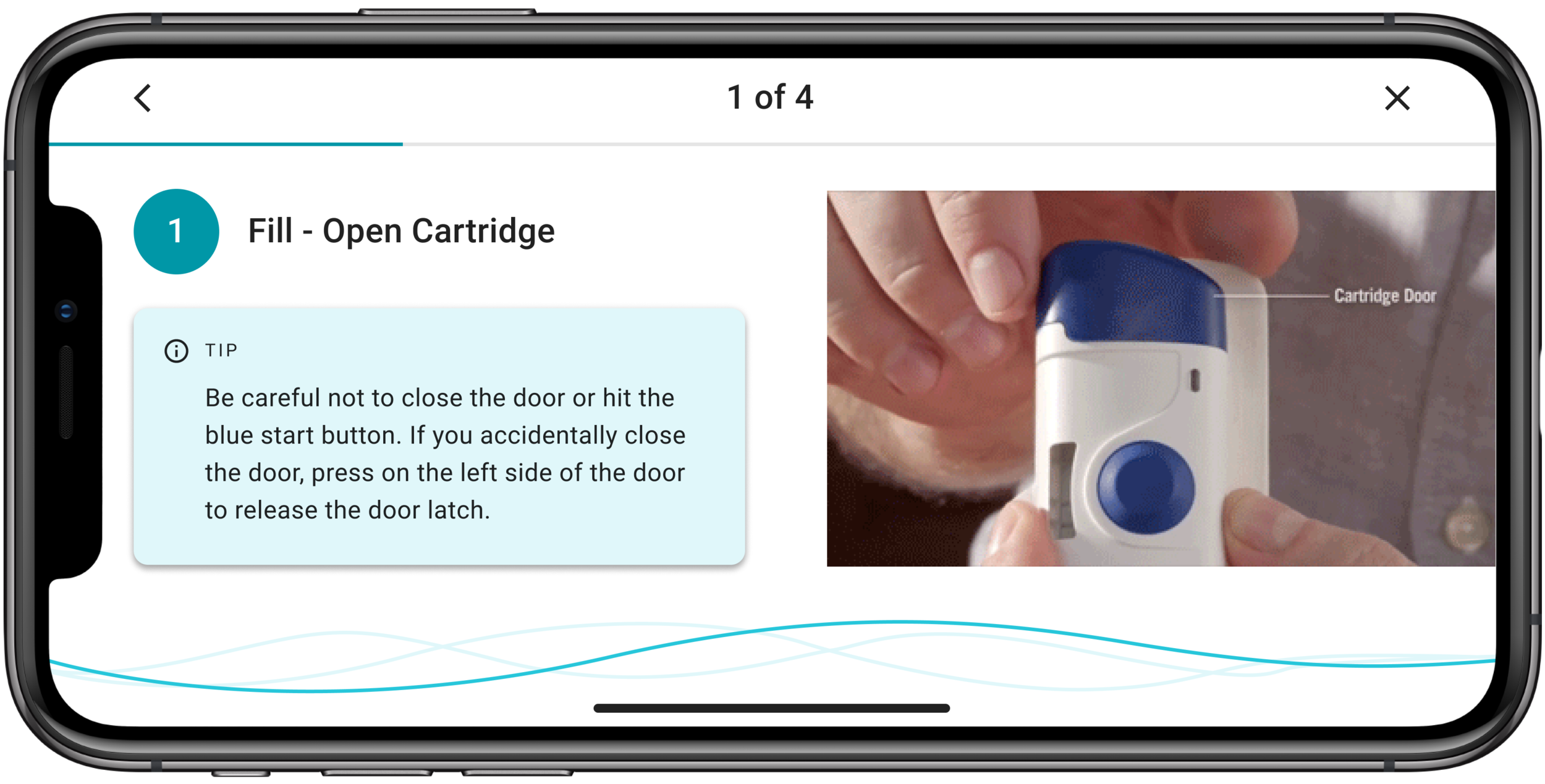
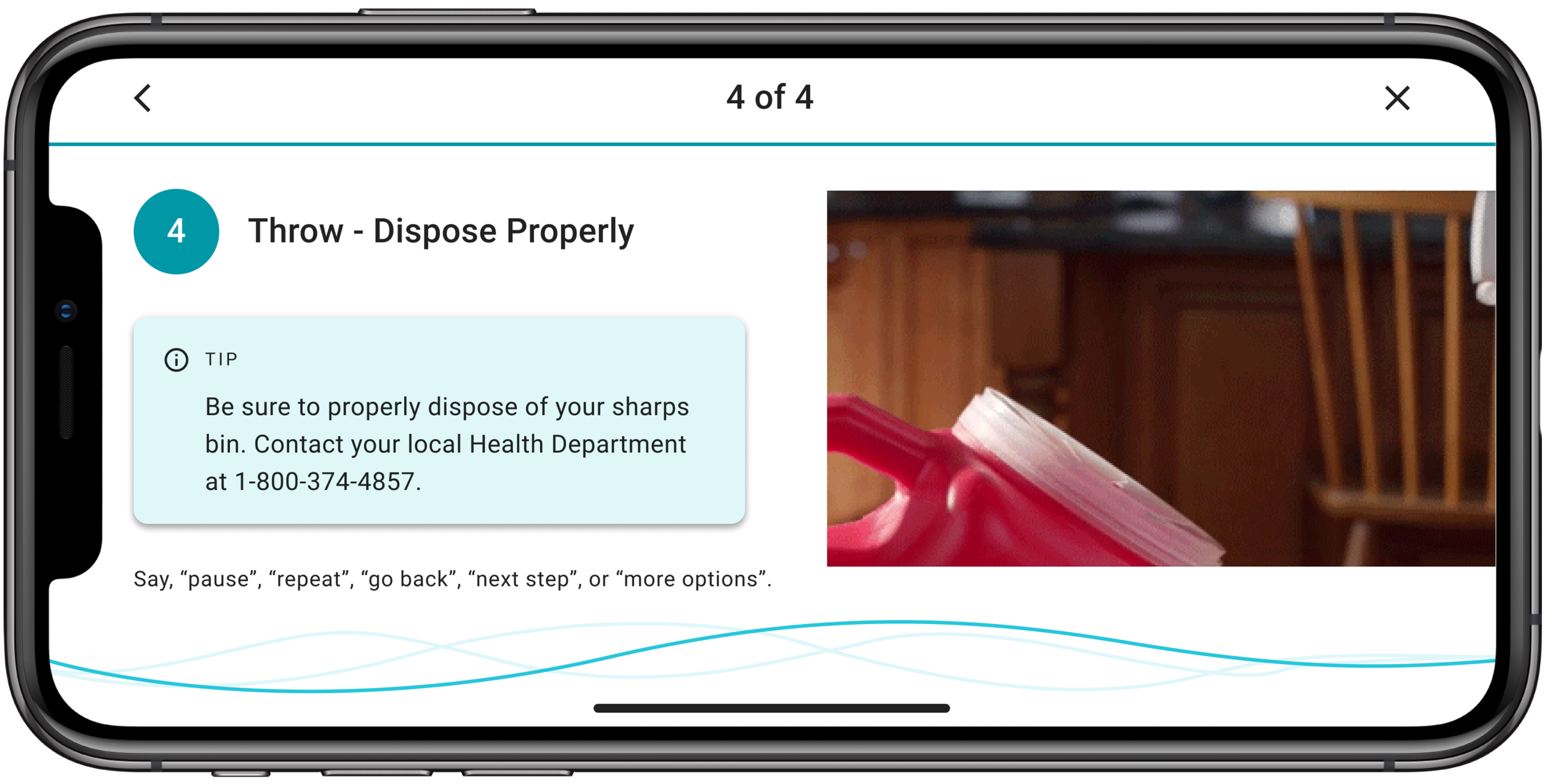
Unlike detailed Instructions-for-Use or lengthy training videos, we designed a solution that breaks down the complicated self-injection process into easy-to-follow, bite-sized video loops or gifs that allows the patients to progress at their own comfortable pace.
Food Tracking
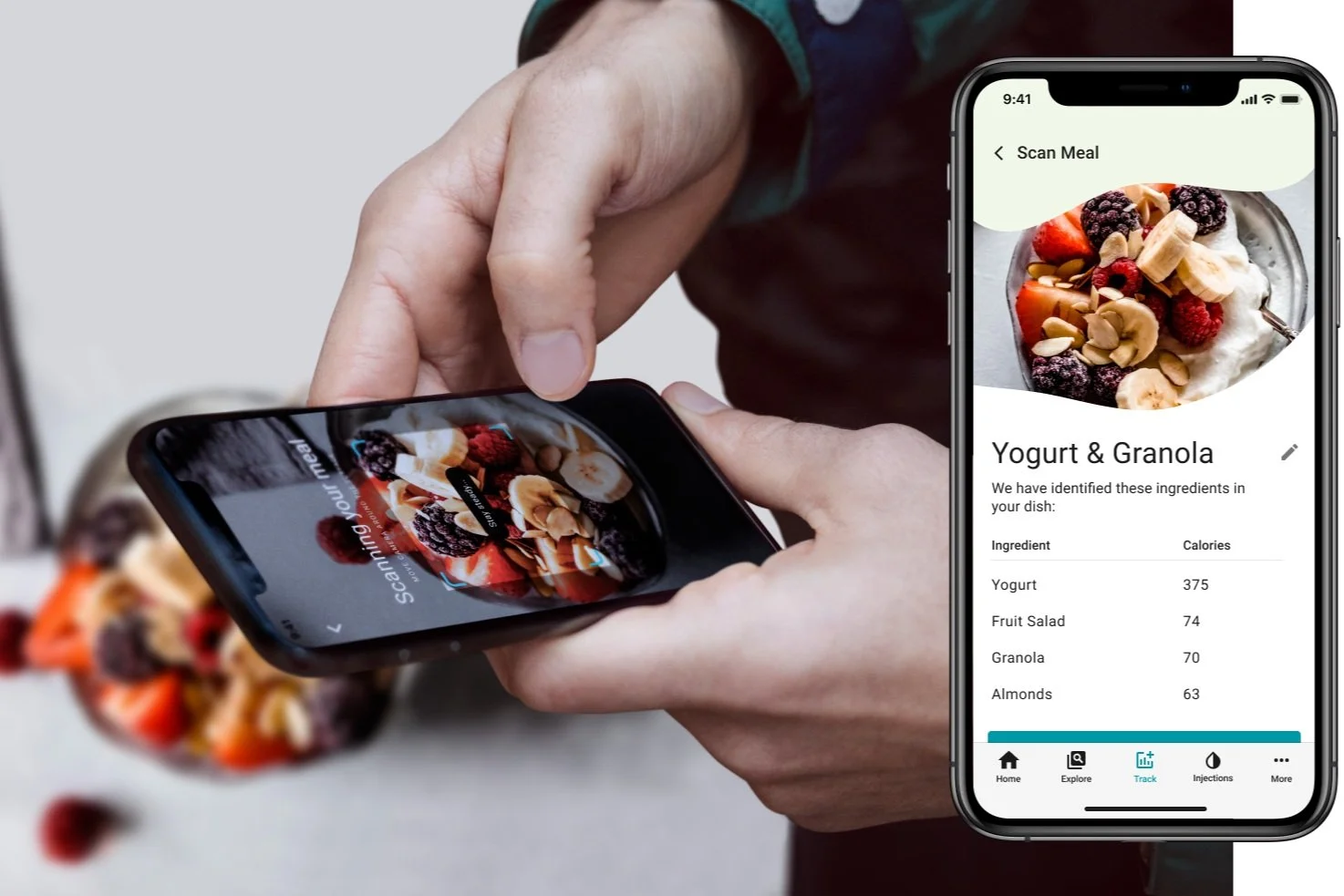
The app engages the user through easy food-and supplement-tracking and uses this data to generate insights about the user’s inflammatory response patterns. This is key information as users may struggle with lifestyle and dietary changes.
Loo-cator
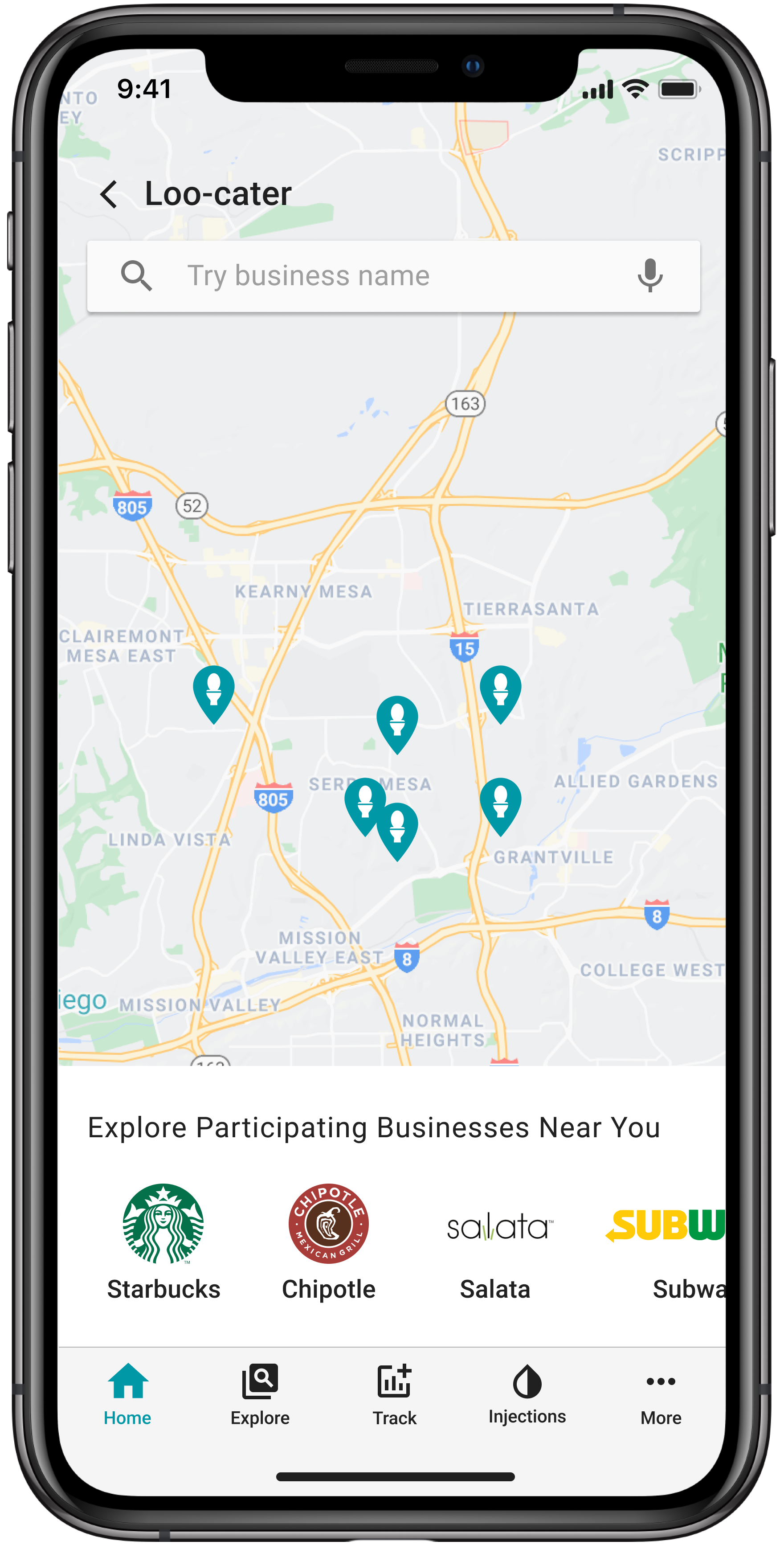
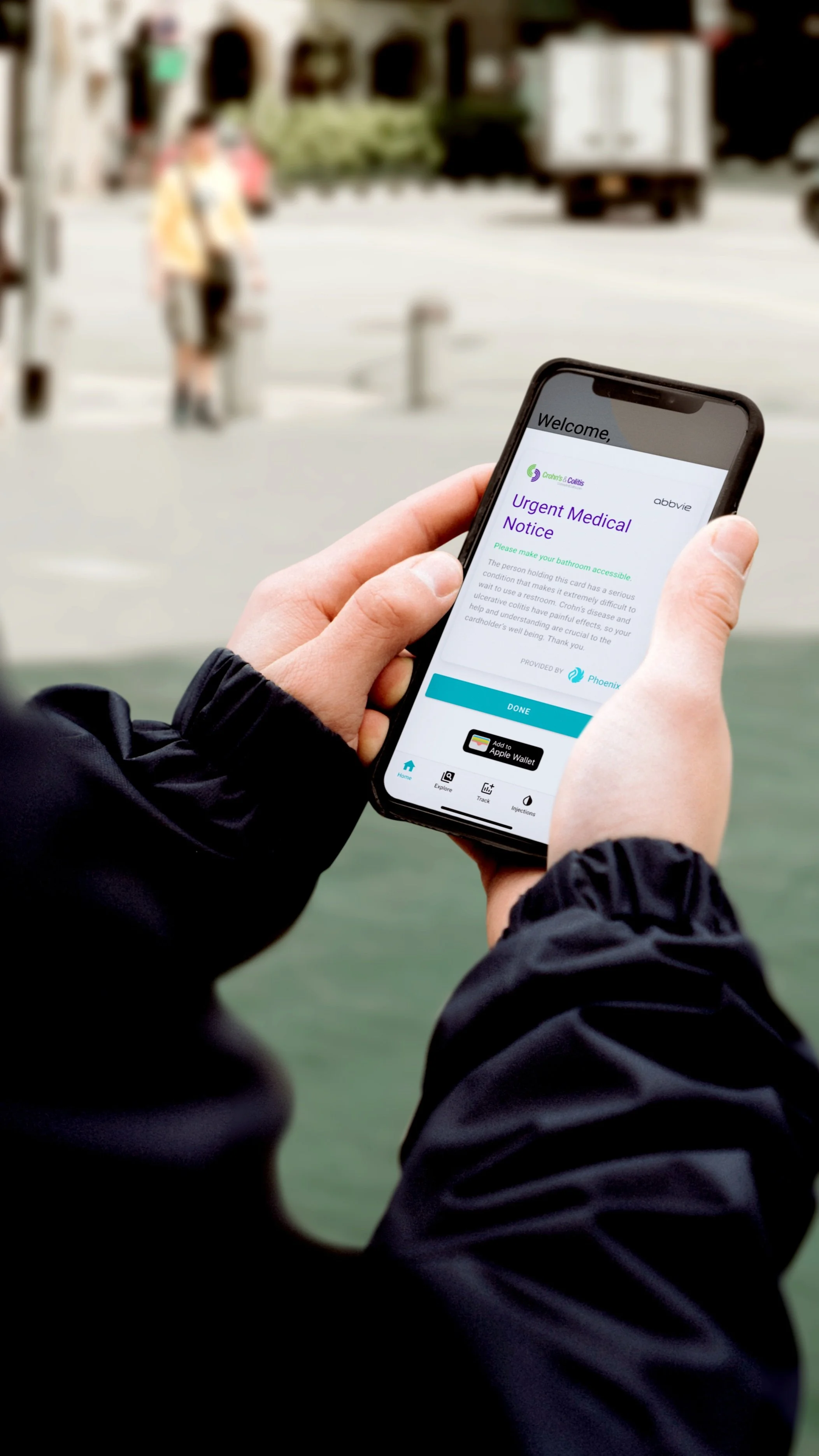
The “loo-cator” (loo+locator) feature brings peace-of-mind, by not only helping the patient spot the nearest bathroom anytime in case of an emergency, but also enables Crohn’s & Colitis awareness within the local community by displaying local businesses who are participating in the Loo-cator program.
Community Empowerment: We are Better Together
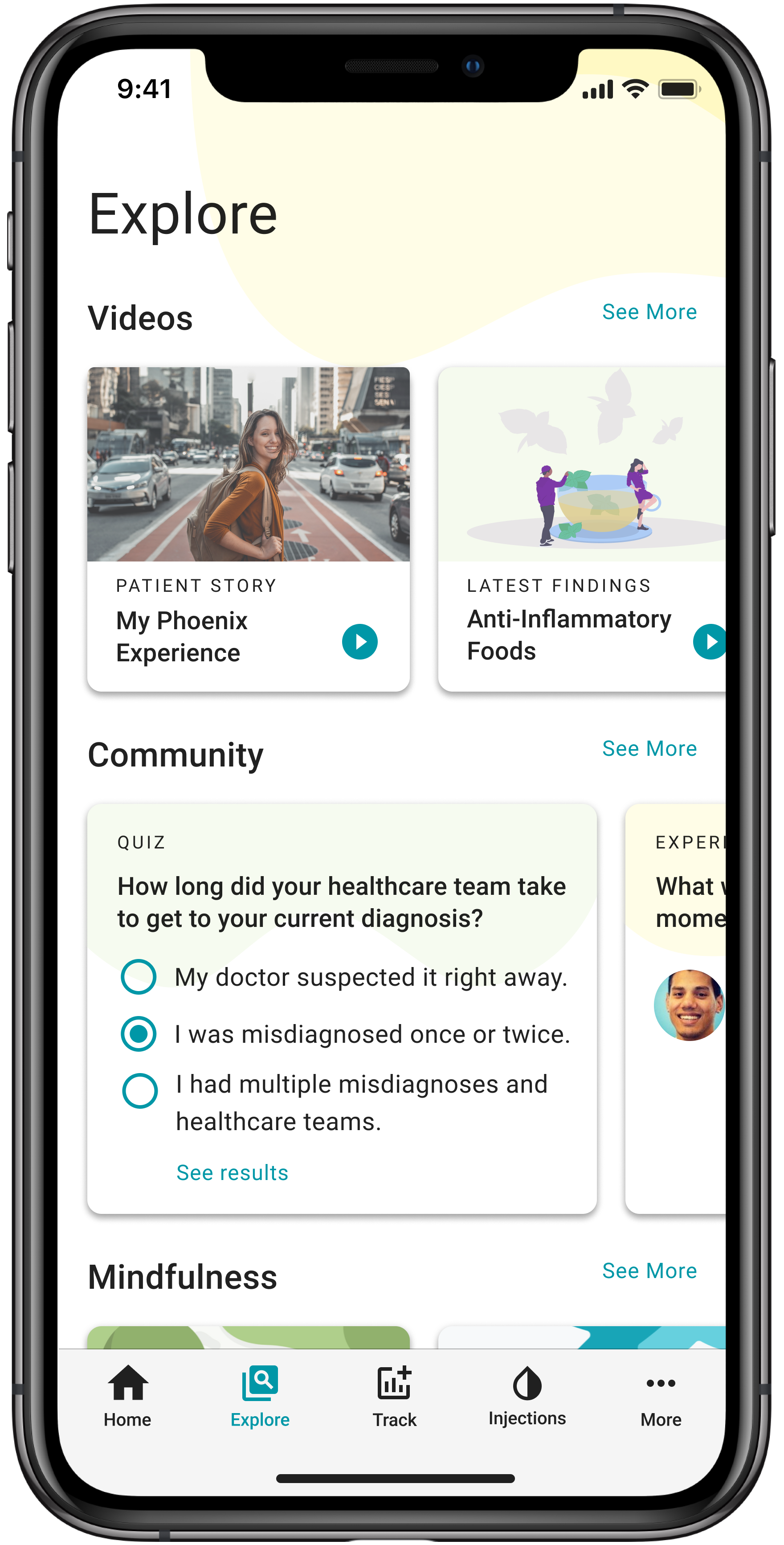
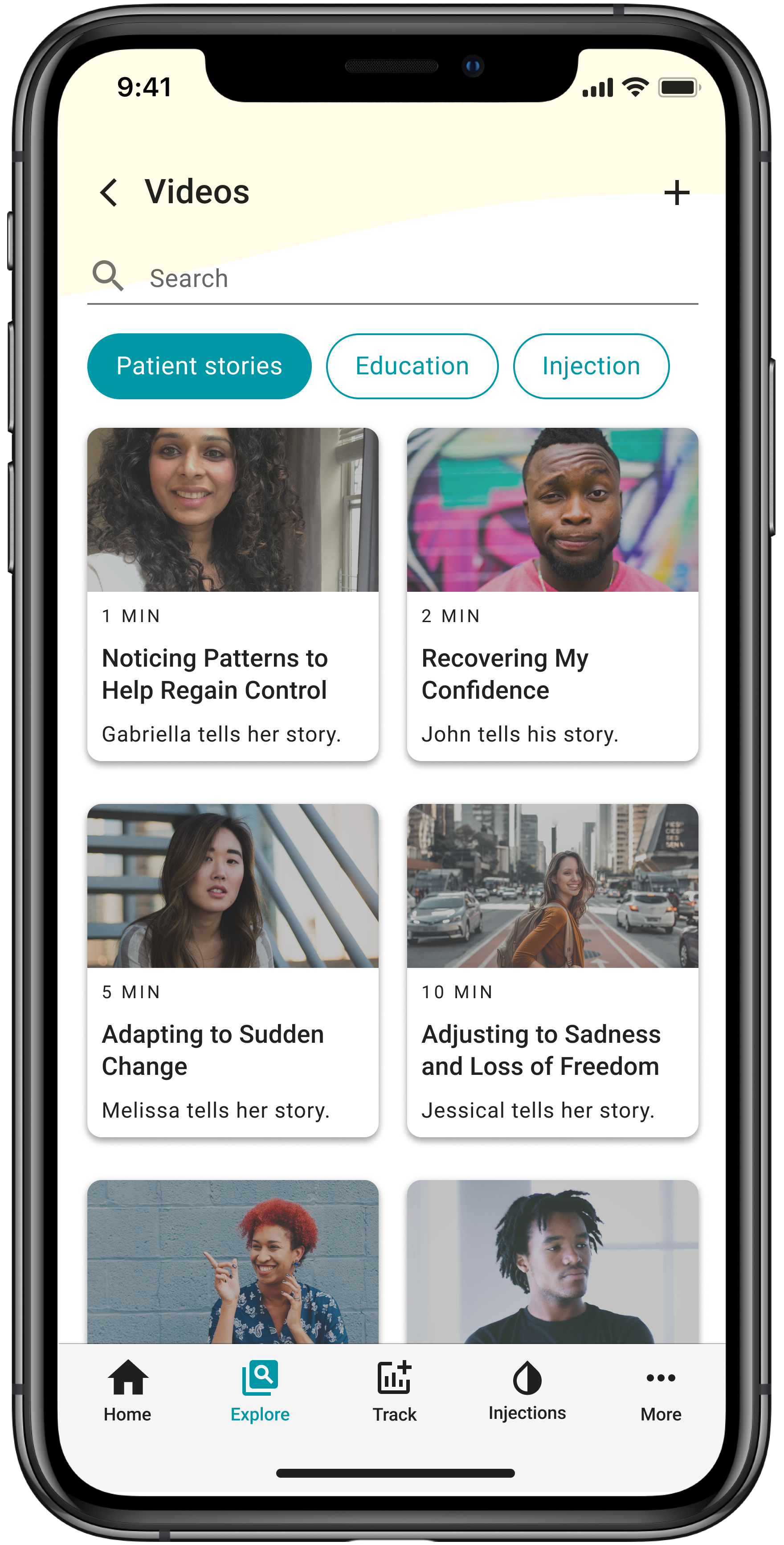
The community grows to become a big part of the user’s healing journey and gives them support and confidence through the shared experiences.
What are patients and caregivers saying?
We have partnered with our Studio’s anthropology team to conduct user testing and interviews - showing the demo of our app in TestFlight.
“[T]he value of this app is, for me, including multiple apps that I already use. So like, I'm already using one that tracks when I should inject and then I have a different one for food, and a different one for like, stress.” (Patient 1)
"I think this is phenomenal. This is awesome. This is the wave of the future. This is where we should be and what we should be looking at. People have a cell phone in their hand, everybody has a cell phone in their hand. And this app is really, it's gonna just change everything for IBD patients." (Nurse 1)
"[T]here are…symptom trackers that are out there that like I said, a lot of my adolescent [patients] sometimes use, but they're not by any means as robust as this…I'll use it in my practice, but as well as with my daughter [who has Crohn’s], I think it would be phenomenal for her...I hope [Phoenix] gets out soon, because I would love to use it." (Nurse 2)
“I think that's a big source of anxiety amongst any of the patients doing the self-injections early on...And this [demonstration] went through in great detail…so that there's no anxiety [about] 'what am I doing?'” (Doctor 1)
"I actually really liked [the rotation reminder]. Because like…it's eight weeks between [injections]. Like, I know, when I was self-injecting, sometimes I had no idea where I put the last injection. So, I think that that's a very good feature to have. Especially like I said, with the brain fog… remembering details like that can be impossible." (Patient 2)
Update
2 Rounds of User Testing Complete for Patients and Healthcare Providers
Phase 1 (Prototype and Beta app) Complete
Awaiting Phase 2 - MVP